Saturday, September 23, 2006

Yesterday brought another wildly successful Leadership Tour ...

and I'm no longer feeling at a loss to understand why it happens the way it does. Much of the success can be credited to really good planning, but there's one piece that I'm not certain how to replicate. At some point I'm going to run out of "150 of Betty's closest personal friends." Almost everyone on these tours have been people with whom I've had some relatively close connection at some time in the past, either through my work or through my years as a faculty wife at the university; from across the counter in Reid's Records in South Berkeley; from the almost 20 child-rearing years in suburbia; or through political connections over many years and in many places. I suppose it would be possible for a younger less socially active careerist to duplicate this feat, but it won't be easy. I've now lived so long that there are times when I feel as if I've now met everyone within a 50 mile radius. The entire population of my state is beginning to look vaguely familiar, and I'm only half-joking.

While feeling particularly successful this morning (yesterday was my 85th birthday), and extravagantly rewarded for the past several weeks of planning, I'm nonetheless already concerned about the question of legacy. It's surely possible for the work to continue without me. It must. I worry, though, that I've not been able to adequately articulate just how one would go about recreating the formula that's proven so exciting.

I surely won't live to see it, but I can and do envision the path that this national park will take in its future development. I worry that those around me -- from a community so scarred by its poor image -- won't think large enough -- and will lose this chance to take its place on the world stage as a major player as a destination.

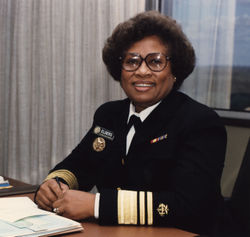
I think that one can make a good argument that it may not have been Betty Freidan and her groundbreaking book, The Feminine Mystique, that emancipated women from the shackles of patriarchy, but Henry J. Kaiser and the homefront World War II demands of 1941 that set in motion the irresistable force that released us into a new future in partnership with our husbands and fathers for the first time in recorded history. A strong argument can be made that the Civil Rights Movement wasn't born in Freedom Summer of 1964, but on July 17, 1944 when the tragic explosion at Port Chicago that lost 320 navy men, 202 of who were African American and the resulting refusal to load those floating arsenals and the subsequent mutiny trials that served as the catalyst to change. The important role the Bay Area and this city played also might provide some reflected glory if it were recognized that it may well have been from the modest 20-room (blacks only) International Hotel on South Street just off Carlson Boulevard that the eloquent C.L. Dellums along with A. Phillip Randolph and their unionizing of the Sleeping Car Porters reached the White House and shook Washington -- and created waves still felt in labor circles. Or that in the next generation after the great war, the children of those displaced and abandoned wartime workers gave birth to the Black Panthers, the more militant change agent that reshaped the way black youth saw themselves and the world; a movement that swept across the nation from the shanty-town of North Richmond -- and gave birth to a new national black pride. And that -- from those same years a little girl, the daughter of homefront workers from Arkansas, attended local schools in North Richmond, and years later rose to become the Surgeon General of the United States under President William Clinton -- sassy, irreverent, brilliant, Dr. Joycelyn Elders.

On the guided tour yesterday I found myself wondering just how that complex set of multiple stories can ever be captured and shared in any meaningful way without trivializing them? How is it possible to communicate just how powerful are the forces that were brought together here in this modest working-class town? How on earth can we get folks to see the importance of exposing the wounds suffered mid-20th Century as an essential element in the healing process? And, how can anyone ever be convinced that the answer is not to be found in denial of our differences, but in strengthening those places where each of our cultures is unique so that we add to the whole and don't find ourselves continually defined through racial and cultural integration as a kind of generic-never-quite-the-real-thing Americans?

Perhaps one day we'll see an entire fleet of brightly-painted small buses carrying tourists through a series of culturally-specific tours -- each dedicated to the telling of a part of our complex and exciting national story. The Japanese, African American, Italian, German, Women, etc., stories can be told through visiting the many sites that hold those memories still. The industrial triumphs of Henry J. Kaiser are well known and surely must continue to be explored as the backdrop to all that followed -- but as the story of the winning of the war. The story of the ensuing two decades of social upheavel and continuing progress set in motion by World War II -- may be equally important to the story of the winning of the peace, something that continues to be illusive in the world. The secret that led to Richmond's ultimate survival and celebrated diversity may be hidden somewhere in this city. It may not yet be well-understood, but I believe that most of the community is aware that -- over the decades -- we've begun to re-write the rule book, and that our strengths lie in cultural and racial diversity and mutual respect, and that integration is now defined in new ways not dependent upon the giving up of our differences - but the sharing and celebrating of those variations with pride and dignity.

Saturday, September 16, 2006


Another inconvenient truth ... .

Over the past few weeks I've been struggling to find an answer to a question that continues to plague those good souls who are wanting to learn just why it is that so few people of color visit the national parks that are urban, pastoral, relatively affordable, astoundingly beautiful, and all places of wonder. The percentage of those of us who are missing from the Grand Canyon, Yellowstone, Yosemite, the national forests, the hallowed battlefields of the Civil War, etc., in comparison to our white friends and neighbors is thought-provoking and -- until yesterday -- defied reason.

It was a week or so ago when a co-worker came to my cubicle to announce that the city manager's secretary sent word that she wouldn't be able to participate in next week's bus tour after all. The mayor was with us on the last outing and this time our city manager and two of the mayor's aides were to be among the 28 "tourists."

The manager and his staff were scheduled to be with us last month -- plus a member of the staff of the city clerk -- and all had to cancel at the last minute due to an extra-heavy work load associated with the following Tuesday being the day of the last council meeting before a month-long hiatus.

Elizabeth stood at my elbow with Sue's message and followed it with, "...I told Sue that if they have a group in their office who'd like to take the tour at a later time, I'd be happy to take them." I felt my face fall and my blood pressure rise-- and I hoped she hadn't noticed. "No!" These were my tours. I planned, choreographed, and cast them with great care. I spent weeks pulling each one together after carefully going over names and profiles on each from a list of guests who had mostly self-referred into my process. Long before each tour the bus has been overbooked and no recruitment needed. I couldn't tell her just why that was. I couldn't explain to her why I felt so adamant, so territorial. I realized that she couldn't possibly understand because I'd never stopped to articulate what I was doing; what were the elements that made them so powerful; and why simply piling people into a van and driving past places they're driven past their whole lives would have any meaning to anyone? And do I really know the answers to any of those questions?

I've intuitively resisted the urge to do special tours made up of any one part of the community. I'd cast each with a few city officials, artists, one or two news reporters, heads of departments and/or commissions, community activists, a few elders who'd lived this history, a couple of teens (in one instance), a few civic "agitators" with no portfolio but a great love for the city, a balance of races and cultures, commercial developers and entrepreneurs, historians, UC Berkeley interns, educators, etc. When someone once suggested that I create a tour for only the members of the city council, I refused. I'd quickly learned that the casting of the characters on these tours was the critical component in creating the magic that each tour delivered. That magic was embedded in the people on the bus. Their enthusiasm literally takes over early in the process as those with the memories would see some structure, street corner, road sign, etc., and stand up in their seats and aggressively take over the narration from Naomi with her bullhorn standing at the front of the bus -- our ranger and tour guide. Their enthusiasm is irrepressible!

When one considers that these community people in this reasonably small city (about 91,000 -- the size of a Super Bowl crowd) have been driving and walking past these same deteriorating structures for the past half-century, at least, it is small wonder that this kind of excitement can be re-awakened at all.

We purposely use a small bus (28 passenger) so that we can engage in one-on-one conversations but that can be easily turned into a single group at any point along the way. Those conversations are lively and -- in some cases -- marked by a quality of sharing of the history of the times that can be reached no other way. Each tour has been different, but similarly successful, with each generating the roster of folks from which to create the next tour.

Those animated conversations carry all of the "lost conversations and untold stories" that the history books have left out. They allow the human interest bits to rise in importance as people recall the way it all looked "back in the day," when Macdonald Avenue was a bustling main street with 9 movie houses, major department stores, a bowling alley, with "...the shipyard hiring hall over on Tenth Street, and "... where the USO stood but, "where black servicemen couldn't go," and "...the dance hall in the Winters Building that was only open for whites; and "...the Park Florist that used to belong to the Japanese families but they got taken away to internment camps;" and, "... Atchison Village was built by the Maritime Agency for whites but it sits on the agricultural fields across from the Mexican Baptist Church -- gardens created by and for the Latino community;" and "...and there's that place at the railyards where Native American workers were allowed to live in boxcars by the Santa Fe Railroad through a special arrangement because of what they'd contributed to the building of the railroad across the nation." The history rolls out as if yesterday from those who lived it and from those who carry the legacy in their genes from that heroic generation of Rosies and homefront workers that this new national park was created to honor.

There are still problems in this city, but one of them is not the fact that they haven't overcome the racist legacy of being a tiny insular company town owned by Standard Oil (now Chevron-Texaco), born in 1905 and re-created in 1941 for the purpose of defending the nation through its herculean ship-building feats. This is an American city to be proud of, if the criteria for judging is its well-distributed political power across the racial divide despite a legacy of segregation left by the war years.

These bus tours have drawn an even number of blacks and whites and is beginning to reflect others of color and ethnicity. Richmond has shown a proven ability to absorb and assimilate its newcomers as Sikhs and a large community of refugees from Southeast Asia have arrived (now 30 years ago) and as a Latino population escaping lives of poverty below the border grow in number -- much as African Americans escaped the hostile South in 1941.

Richmond is characterized by being a city of newcomers; strangers who've found their way here for a variety of reasons. The great legacy is in the fact that a city of 28,000 became a city of 101,000 almost overnight only 62 years ago. A city of strangers brought together charged with the mission to find ways to work together by whatever means necessary in order to save the world from tyranny. The sharing of the stories of how those who came before are of great value to those whose entry is more recent. The Laotians (in the person of Torm Nompraseaurt) may learn on Friday from African American (Simms Thompson) that 62 years later, against all odds, he has survived and maintained a place for himself in this city -- and from a casual conversation that might not ever have happened until now.

That's what's beginning to occur in these limited 4-hour bus tours. Doors are being opened between races and classes and long-suppressed conversations are being facilitated, finally.

This week will bring our sixth tour since they were initiated last December. Over 100 hundred local "tourists" have participated. I made an informal audit a few days ago and learned that exactly half of these city folks have been from the white community and half from black, people of all economic levels and fields of interest -- with a smattering of Latino and Asian in the mix. I'd say that was a bit of magic when we consider that they each came into the process, individually and voluntarily.

Articulating what is happening may be difficult, but there is no denial that something magical is in process and that it's coming - not from those deteriorating structures that we're driving past; not from the guides or from the little guidebooks we're providing -- but from the hearts and souls of those in the seats who are sharing in the rediscovery of our national history. I long for the day when we can slip four or five outsider tourists to quietly witness this sharing of history between Richmond's people. Now that's civic engagement. Do you suppose that anyone ever used eavesdropping as an acceptable feature? May be something to think about... .

The best we can do is to provide the environment in which the magic can happen. I've often stated that -- if the bus is too full -- I am willing to step away and rejoin the group at the end of the tour. I firmly believe that my work has been done when the list is finished and the casting complete. I trust the magic to unfold as folks retrace their steps back through time and share the journeys with one another.

Why are people of color not visiting national parks? That's easy. Forget about color. Our parks are visited largely by the middleclass. The truly wealthy own their own getaways. The truly poor have neither the means nor the education to appreciate what these great national parks could mean to their quality of life. We'll never convince the homeless of the virtue of sleeping under the stars. If this (as I suppose) is a question of economics, then our job is to move more people of color into the middleclass, right? A no brainer. Looking closely at the hiring policies of the National Park Service might be a good place to start. I'd want to work toward the day when the percentage of non-whites visiting our parks is equalled by their numbers in the work force. Ironically, that may be the truth of the percentages seen today, but in the wrong direction. The NPS's hiring procedures is what determines those numbers. This is where the middleclass has its beginnings.

... the other "inconvenient truth."

What a strange mindset ...

There are periods in these declining years when I have flashes of insight that are so blinding that I'm not sure whether I'm truly seeing behind the obvious or simply fooling myself. It's not as though I feel that I'm simply smarter than those around me; or that age plus experience has brushed away the doubts that shadowed my youth because of a lack of a formal education; but instead I find myself wondering why others can't see what it is that is so obvious to me? Is this something that comes with aging; a given? A gift? Foolishness born of advancing senility?

It comes in different forms and probably is a function of that growing sense of urgency that's creeping into prominence a bit more with each day. Sometime I find myself grinning to no one in particular on the drive home from work -- recalling some crazy incident that happened during the day -- and wondering why humor now has moved to the forefront in my arsenal of defenses. Maybe that's true for us all, and why Keith Olbermann's style of delivering the awfulness of each day's news works so well for me. I must be home by five o'clock each day to watch that critical first half-hour; the items that precede "Now let's play oddball!", and rarely if ever any longer watch the local news. The local body count no longer interests me. It's only then that I'm able to turn to CSPAN to get the raw material that forms the basis for Olbermann's pieces. Olbermann creates a protective layer that enables me to allow the daily ugly truths into my awareness with a feeling that I can handle it now. His commentaries are worthy of Edward R. Murrow's best efforts -- and his ability to probe the minds of his well-chosen guests invariably meet my own points of curiosity and deepen my understanding of the issues. But it is his sense of irony -- his light touch -- that allows me to absorb his meaning and messages and find ways to act on new information that in the hands of someone less deft would leave me paralyzed with numbing fear.

But I'm rambling ... and not expanding on that first paragraph ... but it's where my mind went and I can think of no way to connect these thoughts at the moment.

More later.

Sunday, September 10, 2006

A busy week with little time for writing or even reflection ...

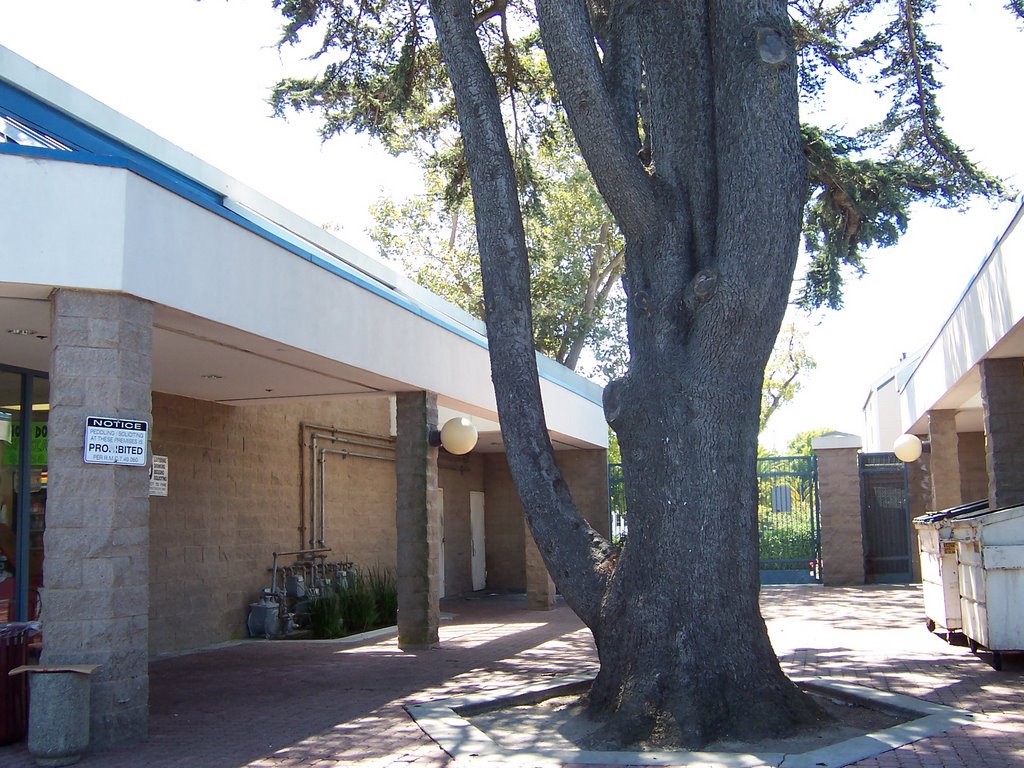
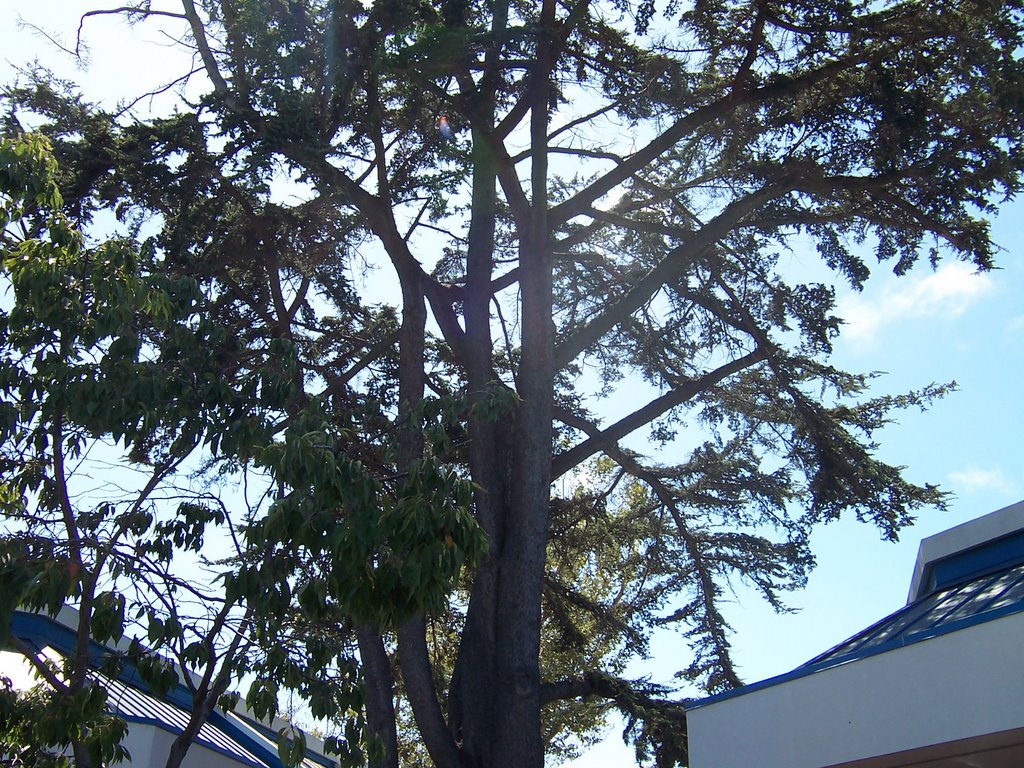
First for some corrections: My colleague, Lucy, is married to a biologist who (after hearing about our tree) took himself to the center of town for a look. He was able to determine that the tree was an exotic; a Cedar of Lebanon. It stands high above all other trees in the plaza and he judges it to be perhaps a century old.

Another colleague, Michele, who is the city's Arts Manager, upon hearing about our find drove to the mall to see for herself what the excitement was about and in so doing, met two older African American men with whom she spent some time chatting. She learned that, indeed, they had been visiting this tree since boyhood (they're now quite aged), and were decrying the fact that the benches had been removed only last October by the police department. "We have to stand up now, so we can't spend much time here anymore... ." How sad!

She also noted that they referred to the Cedar as "The Tree of Knowledge." I'd somehow transformed it to "The Wisdom Tree" in my memory and we need to now change back to the name these men used. I ran into Jerrold at the Point Richmond Street Festival yesterday and he confirmed this. This continues to speak to a long and honored tradition and surely for the need to restore this giant to its former status as one of the important anchors and protectors of the old downtown.

As the city staffer in charge of Arts and Culture (which includes the Arts Commission, the Advisory Committee for Public Art, and all things related), Michele immediately saw the need for removal of the signs of prohibition, the possibility of restoring seating, large story photographs of the area before "progress" intervened; a mural on one of the walls, and the need to talk with the police department right away to see how much of this is feasible. It was her feeling that the police chief who is newly-appointed, will see the light.

Meanwhile, I visited with the executive director of the Main Street Initiative (the nonprofit working with others to rehabilitate the city's central core), to tell her about what we've found, and to let her know how grateful we are for the fact that her organization and the Richmond Police Department had cleaned up this alleged "hot spot" and that -- now that several months had passed since their actions took place -- the city and the park can now reclaim the site and redirect its use. I'm hopeful that no one will feel uncomfortable or criticized for trying to make this troubled area safe for the patrons of the shopping mall. She showed no signs of annoyance and promises to share our wondrous find with her board at their next meeting.

There is talk about the possibility of trying to interest some local writer of children's books to create one about our Tree of Knowledge. Someone has suggested that it might be wonderful to have each of the many schools in the school district plant a Tree of Knowledge on their own sites -- perhaps on Arbor Day.

Our Cedar embodies so much that is relevant to the reclaiming of history. There are surely environmental issues; its name carries biblical references (important to the black community); and, "Lebanon" hints at today's headlines. There's something very timely in all this, wouldn't you say?

Wish I had another ten years to spend at this. The City of Richmond and the National Park Service will be co-creating this park over time. There are many such discoveries waiting to be revealed -- "The Untold Stories and Lost Conversations" -- if only we continue to sharpen our listening skills and carefully monitor these old/new paths that have been ignored for the past century.

The next phase will be that of engaging the community, industries, corporations, neighborhood councils, etc., in discussions about what it means to be a Gateway City for a National Park. Can you imagine how exciting this can be?


Friday, August 25, 2006


The Wisdom Tree -- the sad tale of a forgotten legacy ...

When first assigned to West Contra Costa County as Dion Aroner's aide, I learned about the Wisdom Tree during one of those rubber chicken suppers. The tall bronze former boxer sitting at my elbow was a man who'd lived his entire life in Richmond and was now a successful corporate executive with an embracing warmth. Jerrold Hatchett was sharing a story that held true importance to him. This was in no way an idle conversation -- and it stayed with me through recent years. Today it rose to the surface in a new context.

"Have you seen the Wisdom Tree over near FoodsCo," he asked? The place he was describing was the busy strip mall that serves the Iron Triangle -- with
the usual complement of stores found in low-income shopping areas (Walgreens, FoodsCo, Hamburger King, a few small independent stores, the Goodwill clothing store, and one specializing in oversized menswear of today; a doughnut cafe, manicure/pedicure shop operated by a Vietnamese couple, etc.). Though familiar with the shopping mall, I couldn't recall seeing the tree. I could see many trees there-- in my mind's eye.

He went on, "...for many years this has been the meeting place for men in this area. Oddly enough, in the morning, Latino men are gathered there and in the afternoons, African American men come to share their stories and boasts." I recall that we laughed when I suggested that it wouldn't surprise me a bit if the morning crowd weren't seen as socializing -- and the afternoon group as loitering. Not far from the truth, I think. Abou
t two weeks ago, at the "Memories of Macdonald" event at the Richmond History Museum, a woman from Atchison Village (located at the end of Macdonald Avenue) had mentioned the Wisdom Tree to those taking oral histories. Here was confirmation to Jerrold's dinner tale.

Earlier in the week, as preparation for adding walking tours of the historic district to our plans for fall -- Naomi (park ranger), Donna (historian), and I met in front of the Winters Building in the heart of the Iron Triangle; map in hand designating the structures in the area that would be noted on our upcoming tours. This would be our run-through of the path we might follow. Today we would rely upon Donna (who'd done extensive work on the downtown mapping of historic sites) to inform us.

We spent the next hour walking and learning (St. Mark's Church, the lovely and well-maintained school district administration building, past all of the redevelopment agency-owned abandoned commercial buildings; the post-war post office, the no-longer standing Elks Club, the union hiring halls for the shipyards, and the old hotel on the corner of Harbor Way and Nevin; it was fascinating as we moved back in time in this city whose soul I've had such a difficult time finding.

When we reached Bis
sell Street we found ourselves across the street from a fairly recently-built housing development, "Memorial Gardens," I believe. The site had once served as the site of the Veterans Memorial (no longer standing). The small neatly-kept homes were on the backside of the strip mall from which they were separated by an attractive ornamental iron gate. Behind the gate stood -- it must be -- the towering and majestic cypress known as the Wisdom Tree. We would make our return trip on Macdonald Avenue and visit this great monument close up before leaving the area. It would be interesting to see who was gathered there today. The great tree dominated my thoughts -- and as we made our way to the front of the mall it was impossible not to recognize it. It stood taller and darker than the rest against the intense blue of the late-morning sky.

We crossed the busy parking lot to where it stood all alone except for two large trash dumpsters standing against
the wall nearby. Despite the fact that the mall was filled with shoppers, not a soul was standing in her shadow. None of the life that I'd expected to find was here. The really lovely backdrop that framed her was that ornamental tall iron gate, and the ground surface was red brick and welcoming. Flanked on each side were small businesses; one was the coffee and doughnut shop that begged for sidewalk tables with folks hunched over board games and conversations under those lofty branches -- but there were none.

As we approached the reason became clear. There were several very prominent black and white print signs emphatically stating, "NO LOITERING, NO DRINKING, NO BEGGING; SUBJECT TO FINE!" and signed by the Richmond Police Department.


This beautiful tree must have a plaque to mark its significance in this community, I thought, and immediately my mind began to nibble at just how that might be done. Could it be reclaimed from the degradation and abandonment? Surely -- from its age and beginnings, this tree had been witness to stories shared by veterans of the first world war and beyond. This marked the place of our sons and fathers, quite literally.

We stopped in at the Main Street Initiative offices nearby. This organization is charged with the economic revitalization of the old downtown. I learned from an agitated executive director that there had been drug dealing and fights and ... and... and... and it was quite clear that there was another story here and that it wasn't a pretty one. But, after I drove away I wondered if she was even aware of the tree's history as a part of the lore of downtown, the memorial garden, or what it has meant to generations of men who claimed it as their outdoor living room? I'd forgotten to ask. Did today's police department know what they'd done?

Yesterday the story took on even more significance. Lucy and I had lunch with the head of the Richmond Chamber of Commerce, a woman who grew up and attended school within a few blocks of that tree. She's never heard of the Wisdom Tree, but after a few minutes of chatting she remembered that -- when the strip mall and the housing development behind it were planned, the previous owner of the site had insisted upon an agreement that everything else could be cleared, but that a single tree must be left standing. Yes. It had to be the Wisdom Tree. This completed the story. There were now three independent confirmations. This giant must be reclaimed. The children must know about it. A plaque suitable to its stature and place in this community must be installed. The park can do that, I think.

I found myself wondering where the older men gather to tell their stories and make their boasts these days ... and, were the younger men and boys given an alternative to this magical place, or were they simply dispersed as undesirables who tarnish the image of the neighborhood simply by being visible while being non-white and idle?

Will it be possible to reclaim this living history? I'm wondering how many generations of men claimed this space before it came to its slow inglorious end as a community resource? When did we begin to be ruled by fear? We learned from the executive director of Main Street that people were afraid to pass that spot now. Why? Could those fears be groundless because the lore was lost and -- because even those who gathered there no longer remembered why? Would they not insist upon their right to congregate if they knew that they are acting in an honorable tradition? Is this then, a lesson in the importance of knowing our history?

...and just how does one reclaim this significant symbol of social history and help to give the city back its soul?

There's a metaphor here, but I can't find it yet ... .

Do you suppose it's related to the rights we've started to relinquish to those who would control us -- in exchange for their protection against known and unknown dangers? Is this what that looks like, on a local level? Are we giving up those things that give life meaning, needlessly? Could some ceremonial recognition of the Wisdom Tree and its story allow us to look at that possibility and reconsider? Is this an example of the Ashcroft/Cheney syndrome, maybe?

Perhaps that's it.

Friday, August 18, 2006

On the private creation of reality ... .

I attended the monthly dinner meeting of the Richmond Downtown Task Force last night. Several things caught my attention that seemed so crystal clear that I cannot imagine that others hadn't picked it up. Though there are times when I truly believe that -- if one can reach these advanced years with an intact mind added to a wealth of experience, piled on top of the growing sense of urgency -- clarity of thought is a given. My agile mind cuts through the garbage like a knife through butter, leaving only the purist of impressions. Last night was such a time. (This balances off the times when I stand in the middle of an aisle in the supermarket wondering what in hell I came here for ... .)

As you've undoubtedly read over time, Richmond is reputed to be the most dangerous city in the state with a crime rate that rivals cities twice its size. But is that really true? Gun deaths from suspected gang warfare is surely a factor, but it appears to me that ordinary crime stats compare pretty closely to those of other comparable municipalities.

Gathered together for this meeting were nonprofits, corporations, merchants, agencies, that are located in the crumbling historic downtown area known as the Iron Triangle, an area deemed a "hot spot" by the press and the police department. This was reaffirmed by a recent summit meeting hosted by Senator Don Perata that involved the mayors of Oakland and Richmond to seek ways to address the problems -- and, on the eve of an election campaign in which both mayors are running for office, of course.

Last night I noticed that the first presenter was a representative from the Richmond police department who gave a comprehensive report on reported criminal activity over the preceding month plus the year-to-date. He circulated sheets of statistics that gave breakdowns of types of crimes reported, whether or not there were arrests (prostitution, robberies, aggravated assaults, vagrancy, etc.). After he completed his report other agencies and organizations stepped up to update their activities -- related to economic development and/or new projects in the making.

After an hour or two the meeting's last presenter stepped up to give an update on a program being conducted at San Quentin prison involving men who will be returning to the city after completing their sentences -- and ways in which they are promising to work with the city to try to curb street violence by walking the hot spots in the effort to turn youth away from a life of crime. The program is being funded by the city and involves a number of members of the clergy as well as local police and probation officers.

There it was. The meeting started and ended with the group focussed on criminal activity. To the extent that we create our reality by giving prominence to particular aspects of our lives -- this city is constantly reinforcing the worse possible self-portrait. I could not imagine a more damaging climate in which to try to support or grow community or in which to try to bring up children.

Over a long lifetime in public service of one kind or another I've seen this phenomenon repeated, but never to this extent. Police reports normally appear in small town newspapers on the back pages as a simple presentation of data for those who wish to have it for one reason or another. In Berkeley those stats are available from the desk of the public relations officer. I'm not sure that -- for their size -- those cities experience more or less crime, but I do know that criminal activity is not what defines them.

Suppose, instead of concentrating all of creative energy on defending against it by "...adding 20 more policepersons to the department," we added ten well-trained playground and community center staff and ten school counselors to address the deeply-cut recreation and school district services? In this district one school counselor services 1500 students; an appalling situation. That would be my first line of defense against the kind of street violence we're facing now. Troubled kids could be identified earlier (I'm thinking middle schools) and remeditation might be possible. But since there are even fewer mental health specialists than counselors ... .

Community centers are seriously understaffed to the disadvantage of a restless and underserved generation of youngsters. With 49% of non-white children dropping out of schools by the 10th grade and no job-training possible for lack of programs of amnesty for less serious crimes -- what's happening on our streets was painfully predictable. Given the fact that 1 in 4 black and brown males are imprisoned in this state -- one might assume that these are quite possibly the "absentee" fathers who are so maligned by the rest of us for being unavailable to their children.

I also feel some reluctance to create a career path through crime as in the case of ex-offenders becoming teachers and negative role-models for kids in place of those who've succeeded within the system. Tough love sometimes creates no more than tough people so desensitized as to lack compassion and empathy for others. The efficacy of such programs has yet to be proved since most die after brief trials from lack of funding and/or fear from the communities in which they function. I think that some conferring with institutions like the Ella Baker Center in San Francisco might offer guidance that could be helpful in seeking answers to whether these programs are truly practical in addressing such problems without creating more.

In addition, I listened to an on-air discussion yesterday (speakers from the conservative Heritage Foundation) extolling the successes of welfare reforms that were enacted under the Clinton administration. They cited the huge reduction in welfare dependency, but nowhere did anyone mention how many have fallen into an underground economy fueled by the drug trade. But then how on earth would that be measured? I suspect that the percentage is significant, and that no one in that debate would have been interested in exploring just what that means in the mounting trauma of families and their children growing up in the inner cities of my state and others. Maybe that's why our fears so dominate these meetings that are so infused with crime stats.

I think that it might have been my own blindness in yesterday's meeting that caused the refusal to see their reality -- as I stubbornly managed to cling to the optimism and sense of empowerment that my work provides day after productive day.

Am I simply being naive, or, maybe just old and increasingly out of touch ... ?


Tuesday, August 15, 2006

I'm not alone!

and what a great feeling that is.

On last night's MS-NBC's Countdown, Keith Olbermann (I think I'm in love!) did a segment where he listed the ten times over the past 5 years that the Bush administration called for a red alert (critical danger!!!) and then he listed the national events that occurred only 2-3 days prior to the issuance. It was stunning and far beyond the possibility of coincidence. Those wolf cries were faked -- with no visible means of support. We're in sync; Keith O. and I. Just about the place where I hit my point of total non-belief, so did he, apparently (see August 10th entry). My cynicism was well-placed, an appropriate response to what was coming out of Washington. We met at the top of the absurdity scale and bumped heads!

It begins to look like Howard Fineman and even Patrick Buchanan are beginning to express suspicion that we're being duped. The media is beginning to rise up and rebel. The generals are finding their voices, too. Just maybe... (Hillary, why aren't you among them?).

Now my only fear is that -- in their desparation -- some pre-planned catastrophe will occur timed to disrupt the November elections. (The old October surprise?) And, yes, that's a real fear that I'm certain lurks in the minds of a great many thinking Americans in these times. This is not the time for ignoring the warnings of continuing duplicity. Our fears are well-placed and are serving us as nature intended.

Which is not to say that there aren't very real dangers out there from those who are bent upon vengeance for wrongs done in our names. That's quite real -- but we're not being made safer by being misdirected in our national response to what we may be facing in the future. We cannot modify our national policies if we're ignorant of the effects they're producing in the world.

Photo: Taken from Keith Olbermann's website. The video of yesterday's segment referred to above can be viewed. It's well worth taking the time to do so. (http://www.msnbc.msn.com/id/3036677/)

Sunday, August 13, 2006

Lunacy reigns!

Is it not ironic that we've allowed our tax dollars to support a defense department in its quest for the world's most effective arms -- with countless billions going to nuclear explosives research and Star Wars defense shields and supersonic stealth aircraft -- only to find the "advanced" western world held hostage by inventive young people with box cutters, toothpaste tubes, hair gels, and lipsticks? (I can't wait for the movie, but who would buy such a script as plausible?)

The world can only be saved through conflict resolution and diplomacy. Is there anyone left who doesn't know this? Okay, besides our delusional fearless leader and his posse, of course. The lunacy and futility of generations of wars have been proven beyond the shadow of a doubt. But then one has to wonder if saving the world and its people is any longer the goal of the evolutionary process. Could it be true that some are now hopelessly consumed by their twisted need to bring on the Rapture -- a concept accepted as truth by only a minority of true believers? I've been trying hard to avoid thinking about the rising voices of the Christian Right in this country -- but this may be the only way to explain what's happening.

A measure of just how far we are from reality is the fact that no one dares to mention the idiocy (at least not aloud), or express embarrassment at just how far off the mark this wayward nation now finds itself in its murderous quest for international supremacy, something we already had but have now squandered needlessly. We were -- not so long ago -- the hope of the world.

Sunday is a disaster! But I'll honor the sabbath by sending off another small check to MoveOn.com or the People for the American Way or anyone else who might be able to overcome the now warped political process and get themselves into the Congress or the Senate in November. I need another work day to take my mind off these things over which I have so little control.

This is assuming, of course, that there will be a November election ... .

(What a chilling thought.)

Strange and wondrous workings of an ordinary mind ...

It must have been some time after six this morning ... my radio alarm is set for the Sunday Edition of NPR ... Lee Ann Hansen's voice is usually the first thing I recall upon awakening. I'm sure that this is the reasonable explanation (though I don't place a lot of trust in reasonable explanations in these later years).

I can recall lying awake for what seemed hours before dropping off into a fitful on-again-off-again troubled sleep. I was still mentally chewing on a letter to the editor I wrote at the urging of a young member of the city staff on Wednesday. She appeared at my cubbyhole excited, "...Betty you need to address this," says she as she urged me to move aside so that she could bring up on my computer an online edition of the West County Times. It was a story about a summit held earlier in the week -- hosted by Senator Don Perata and the mayors of the cities of Oakland and Richmond on the urgent subject of street violence and soaring death rates in both cities. I read the short article and spent the next few minutes writing a quick online response in the bulletin board provided by the paper. When I read the entries that preceded mine, I was horrified. They were as damning of the young as were the words of the political figures that inspired them to write. Cynicism reigns!

The important factor here was not the story but the young Richmond woman whose desk was in another city department -- but within earshot of mine. She was saying to me in her way, "you believe in us, Betty, and you have the words ...". In no more than a few minutes I pulled together a couple of paragraphs that surely wouldn't change history -- but that might reassure my young friend that, indeed, I do. I posted them, printed out a copy, and lay it on her chair before going to lunch.

I knew that the mayor's dramatic program of change, "Safe Streets Now!" involves as it's key element the hiring of 20 additional policeman to roam the streets and catch the bad guys. In the way that dreams can over-simplify, I could hear myself saying, "...not 20 more cops, please, 20 more school counselors and school nurses to identify troubled kids and bring them help before they're lost!" It's all seemed so obvious -- so simple. But then that's the way of dreams, isn't it? Has the media trained us to expect change to occur within the hour -- before the last commercial is aired?

Then this morning -- as I woke from the next round of fitfulness -- the words in my head formed, " ... Lebanon, the War on Terror, Afghanistan, Iraq, all of it -- makes sense only when the effects of white supremacy and privilege are factored in." I woke suddenly with that all-too-familiar feeling of having solved all of the world's problems in one fell swoop! I knew! But when I woke fully and realized that I'd been dreaming and that the UN wouldn't call me for a statement and that the world was still in chaos, I could hear Lee Ann Hansen's voice as she was interviewing some male voice from overseas. They were talking about the arrests this week by Scotland Yard of the 20-odd young Muslims for suspicion of involvement in the plot to blow up US-bound planes over the ocean. I heard this man comment (by way of explanation) that these were all young Pakistani men who were citizens of England. Then he added, "...though only 5% of the population, young Muslim males make up one-in-five of those imprisoned. He added that, "...though they've lived in Britain all of their lives, they still think of themselves, primarily, as Pakistani." Now why do you suppose that would be?

I sat up in bed then, to give full attention to the obvious. Given no more than those two statements by our reporter, is it not obvious that something dreadfully wrong is happening to the lives of non-whites overseas that is fueling hatred to a degree that has made a growing number of young people of color opt for suicide rather than a future of continuing degradation? And that they will take as many of the offenders as possible with them for the sake of the futures of the generations of young Arabs to follow?

The program loops from five o'clock until ten. I must have heard this interview earlier while half asleep. It shaped my dreams, but I was only sharply aware of the story as I woke at the later airing.

But for a few minutes there, I had the answers and was about ready to pack (no liquids or gels, of course) for the UN to notify the world of my brilliant insights.

Oh how I wish ... .

Thursday, August 10, 2006

What on earth has happened to dispel the fear?

For several days now I've been in a strange state where even the awfulness of the images from Heathrow Airport in England fail to register on my psyche. It's as though I've crossed some kind of divide, leaving behind the normal sensations that nature provided to protect me. Have I simply stopped believing those voices screaming from the media? Have I entered a kind of Oz-created "behind the curtain" place where the Wizard prevails but where truth has neutered him into submission?

All of the signs are present that should trigger the fight or flight response -- but they're not working ... and I have no idea why. Surely the possibilities are strong that something awful can and will happen -- that those terrorists will strike in some dramatic way that will take many lives ... and that this nation has surely been guilty of enough terrorist-producing atrocities to invite retaliation ... then why? Why am I not as fearful as when I wrote the last entry some days ago?

The fears have all dropped away by some kind of magic -- and I can again watch Keith Olbermann with dispassion, suspecting that he, too, may be topping out into this state of disbelief. But -- do you suppose this kind of cynicism can be lethal? Maybe that's why I choose to watch the news filtered through satire -- through Jon Stewart.

Have the terrorists on our side (Rove, Cheney, Bush, Rumsfeld, Gonzales, et al) finally lost their ability to convince me of the truth of their warnings? Is it all simply too conveniently Blair/Bush? Was it all too close to the upcoming November elections and the Connecticutt primary and the Leiberman loss and the Israeli failures in Lebanon to not be suspect? Has it all become so predictable that there is no longer any credibility and that I'll die along with the rest in some horrific holocaust -- but with an attitude of both helplessness and fatalistic acceptance?

But shouldn't that shoot me past the top measure on the screaming panic meter?

Why don't I any longer believe them?

Have they finally lost their power over me -- and others as well? Have they overplayed their hand at last? I can't believe that I'm alone in this ... I may have finally been desensitized along with millions around the world -- perhaps on the eve of our re-awakening ... ?

What on earth ...?

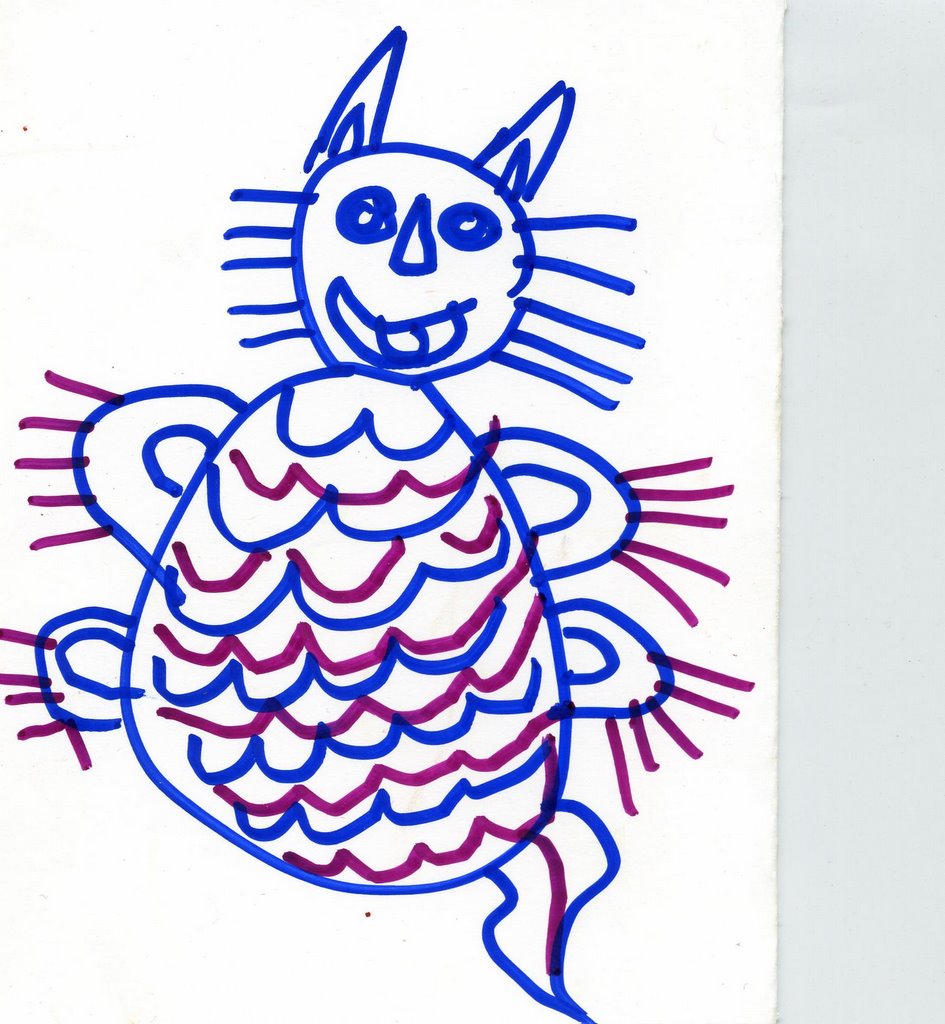
Photo: Another of Dorian's quirky cat sketches. It may be a little over the top, but in a way it depicts the weirdness I'm feeling right now -- just a tad nutty!

Monday, July 31, 2006

I'm noticing signs of an old pattern of behavior ...

In 1978 when I received that alarming phone call from Rick -- pleading for help. He'd arrived at work at our store that morning to find his dad lying on the floor in a coma in the back office where he had been living for months. Rick was terrified! No one knew that Mel had been diagnosed as diabetic. He was a former athlete who'd taken particularly good care of his health for all the years that I'd known him. I hardly recognized this helpless disheveled bearded man who lay so still and helpless -- body so awkwardly twisted that morning. None of us knew how long he'd been in that state.

We'd been divorced for some years and I was now remarried and working at Project Community, a research project at the university and somewhat out of touch with Mel and our now young adult sons, except in the way that once-married parents touch lives in peripheral ways around birthdays and holidays. During those years Dorian was away at St. Vincents boarding school in Santa Barbara. But extreme emergencies leap across time and barriers of separation and the still-existing threads of familial love return unexpectedly in a rush in times of stress and -- at the sound of panic in Rick's voice on the phone -- I 'd immediately dropped everything to rush to the side of my former husband and our eldest son.

It was then that I first learned of just how much Mel's life had deteriorated; how awful was the state of business; and of just how totally the store had descended to street level. The street had made its way into the store and changed everything. Drug dealers lined the sidewalks against the display windows and conducted their deals within a few feet of the entry. But all of that was diffused by the awfulness of the situation at hand -- the fears were swept away in those moments as I rushed past our terrified son to try to revive Mel and then to call an ambulance that would carry him off to the nearest emergency room. Within hours Mel's right leg would be amputated at the knee and Bill (my new husband) and I would be standing over his bed in ICU waiting for him to wake from the anesthesia to discover this tragic truth. Mel and Bill had never met. Fortunately for us, the psychologist Bill was standing beside me in all of his professionalism -- and was able to deftly guide the three of us through those critical first hours of this family tragedy. Dr. William F. Soskin could not have been more loving or helpful. His generosity with his expertise, his compassion, and his ability and willingness to support us in all ways was beyond expectations. I could not have felt more loved, or less ready to incorporate the demands of caretaking of a former husband into my new life with Bill. But fortunately, the old friendship Mel and I had shared as youngsters returned to see us through and a new relationship formed in place of the old marriage.

Over the next several weeks we found ourselves in a new and quite different relationship -- one that I'd not been prepared for. One that required that I give up my position at the university and become more active again in a life I'd abandoned years before. It meant taking on a failed business in the attempt to save the last vestiges of our children's legacy. It meant adding the physical care of my former husband and blending it with the demands of the man with whom I now shared my life. I became the inheritor of a commercial building that was in foreclosure -- a building that was the only remaining asset that was meant to be the legacy for our kids. It was during those days that I first felt myself developing the defensive strategy that I'm now beginning to witness returning. And all this had been added almost overnight to a list of obligations that included the care and management of my aging parents -- now both over ninety and needful.

I remember standing in that store -- knowing little about how to save the business -- and saying to myself, "...okay, Betty. You can only manage about 500 feet at this point. You've got to compress the world into that space, and everything within it has to shape up!" I decided to let others take care of everything beyond that range. I'd mentally dropped a string around this limited space -- and with the gift of enough money from Bill with which to reinstate the mortgage and try to restore the business -- I left my university position to begin the work on reclaiming my "500 feet." Meanwhile, I'd work hard to gain some control over only what I could comfortably reach.

I've begun to notice over the past days and weeks that I no longer watch much television, except for CSPAN and the Daily Show. I read a few columns (Frank Rich and Paul Krugman and Maureen Dowd and -- always -- the columns of J. Douglas Allen-Taylor of the Berkeley Daily Planet) and listen to Democracy Now at times. But for the most part my world is again compressing and I'm tending to allow not much more than those 500 feet into my awareness.

The world is so frightening and my sense of being able to control any of it is diminishing to a greater and greater degree. I'm quietly terrified so much of the time -- and it's not from the gunshots I sometimes hear in the night. The crime stats pale against the images on the small screen of the slaughter of innocent people overseas -- people who are considered "collateral damage" and little more.

I'm increasingly afraid that something will happen that is far beyond my control and that I'll be separated from Dorian who lives across town in her own apartment (will there be cell phone service when it happens?). She's so proud to be on her own, and so unaware of anything beyond her brain-limited "500 feet." And what about the Dorries in Gaza or Lebanon or Afghanistan? Who is caring for them in a world gone mad?

The sense of being out of total control of events is causing me to contract, draw in, walk past my television set sitting silently against the wall -- beside that beautiful tall African woodcarving Bill bought for me the year before he died ... .

Tonight I'm so afraid. I'm grateful, I suppose, that mentally-retarded Dorian lacks the ability to understand the peril of the world we're living in. Maybe that's a blessing, maybe.

If everyone isn't paralyzed by fear at this point then maybe they're not paying attention. Our world has careened out of control -- just as it felt that awful day when the two of us stood together holding hands beside Mel's unconscious body -- waiting for him to wake into consciousness and the pain -- and wondering how it would be ...

One of the most awful days of my life -- but it all pales in comparison to the days in the lives of those living in the Mideast now. On a newcast tonight I caught a fleeting glance of an obviously mentally retarded teenage boy being pushed along the streets in a crowd of refugees from the bombings. His look of utter bewilderment haunts me still ...

Life in our times... .

But why am I not in the streets demanding an end to the killing? And where are all the others?

Is this, then, what it felt like to be a good German?

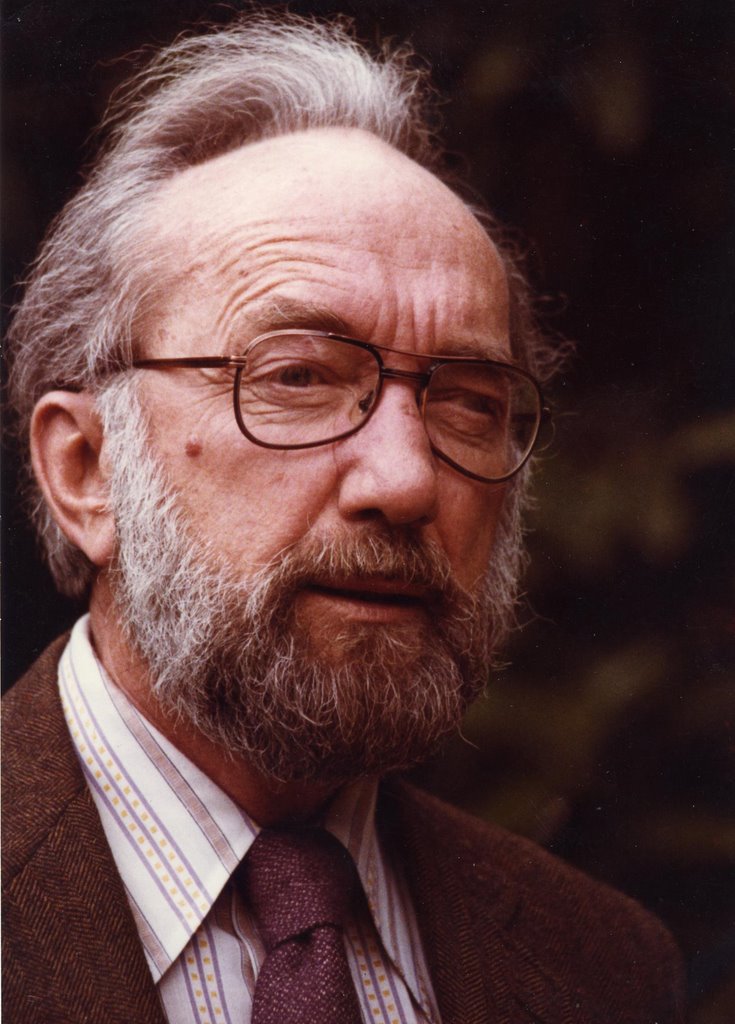
Photo: Left - Mel Reid, playing left halfback for the University of San Francisco Dons -- early in our marriage. Right - Bill Soskin, the man I married for the second half, after my children were grown up and my first marriage had ended in divorce.

Wednesday, July 26, 2006


Reduce juvenile crime stats by one-third immediately? You're right. That's crazy. Or is it?

If we can agree that there is much profiling of youth of color in innercities -- largely from inequality rising from abject fear coming not only from the adult population -- but from the police as well, then we have a place to stand while we debate the issue.

The city I live in is reputed to be "the most dangerous city in the state of California" with a murder rate of 47 for this year and climbing. Enough legitimate reason to be fearful? Maybe. Maybe not.

I lay on my sofa and watched the city council meeting on cable television last night -- between my feet -- one of the best shows in town. The fact that we're in an election cycle with only a few months to go made for some rousing theater. There was a familiar ring to proceedings -- the same arguments and the same complaints expressed that drove those pre-election campaign community meetings in South Berkeley years ago when I was doing my community leader thing (and getting nowhere) until I started to see through the charade.

At that time it was drugs and crime and drive-by shootings and abusive police power and weeping mothers and grandmothers -- and (oh God!) empty promises of social programs and job-training -- and that was in the Seventies. There were also ambitious political wannabees devising "Campaigns of Hope" (this time it's called "Safe Streets") designed to exploit the very real fears of families struggling against poverty and drug and alcohol addiction spawned by hopelessness and institutional racism that was by now so cleverly masked that it would take the smarts and sensitivity of an Einstein or a Thomas Jefferson to see through it all; and all for political gain. The more things change ... .

Is the awful stuff real? You bet it is. Is that all there is? Absolutely not. In the years that I've lived in Richmond I've never seen a drive-by nor a mugging nor have I ever been attacked or had my house broken into or my car hi-jacked. Is that real? You bet it is. So -- as it was in South Berkeley -- I get to choose my own reality. And I do, and what I choose is what guides my life in this town. I move about without fear for the most part. Occasionally I drive north to Mendocino and become aware of the tension only as it drops away, and I'm grateful for a few days of drifting and not having to push the river ... but that doesn't last. After each drive back through that beautiful country and into my troubled city I'm anxious to get back to a place where I have a sense of the aliveness that comes with doing meaningful work that allows me to bend into the winds of positive change with others who live with similar intentionality and purpose.

Now about that first sentence about a dramatic reduction in the crime rate and number of troubled kids:

In a study done in Hennepin County, Wisconsin, a few years ago it was discovered that the first encounter most young black and brown men had with the criminal justice system was not for drug use and/or possession at all, but through traffic violations. Yes, traffic violations. Teens would be cited for a speeding ticket or for driving without a license -- a busted out tail light -- or simply for driving while black or brown. They had no jobs so had no way of paying the fines -- nor could they approach their struggling family for help (now dropped from the welfare rolls due to welfare reform) -- so would simply not show up at traffic court. In a few months that fine would double -- then triple -- and eventually a warrant for their arrest would be issued. (You're getting ahead of me.)

Meanwhile, the seduction of getting a few rocks of cocaine or an easily concealable packet of crack to sell was too great to resist for long. This served as an easy way of getting out from under their traffic problem and jump started their street careers. As often as not, if they're successful, they now have the ability to alleviate some of the stress on their debt-burdened parents and siblings by contributing to the household income, or, now they can start one of their own. "Manhood" has arrived prematurely, and with a kind of status that cannot be attained by any other means. They've now entered the world of the underground economy fueled by illegal drugs.

Hennepin Country addressed the problem by bringing together the probation officers, the community policing experts, social workers, psychologists, etc., and together they devised a plan to create a program of amnesty that would give young people a clean start, would expunge minor violations from their records, to see what might happen. The results were dramatic. Where they'd expected a few hundred to turn up, they were faced with a couple of thousand, and a breath of fresh air blew through the county as the percentage of young people outside the law suddenly decreased dramatically.

What would happen if a similar program came into being here in Richmond? Instead of the constant fear of discovery and threat of punishment -- recreation and job-training resources would (again) be available to young people as entitlements and not because they had to be defined as being "at risk." What if the professionals in social services, public health, and law enforcement got together and granted amnesty for all misdemeanors and crimes of possession and traffic violations and gave everyone a fresh start? They would not have to check "yes" to ever having been arrested on job application forms, qualifying them immediately for employment opportunities otherwise beyond their reach. What if (like the homeless man who shoplifted in order to have himself jailed because that was the only way to get a shower and clean clothes) those kids reduced the "criminal element" by one-third simply by being accepted back into the mainstream where love was an entitlement and where fear was reserved for the Saturday matinee at the Bijou multiplex?

By so doing, we would have instantly reduced the universe of truly criminal and seriously dangerous to a significant degree, a number that might then be manageable. We would have calmed the panic and dread that I watched last night from those parents who have suffered the loss of kids who didn't deserve to die at the hands of other kids who've been robbed by a fearful public of a sense of belonging -- and didn't deserve to be doomed to life behind penitentiary walls.

Long before those young people pulled those triggers -- they'd lost all sense of connectedness with the rest of their communities by being placed in prison-like schools where they were fed messages of hate and rejection until they completely internalized the soul-destroying toxins. We may be seeing the first wave of children who were crack-damaged en utero -- now grown to young adulthood. That's a public health problem and must be faced as such or we'll continue to build penitentiaries to house them where the annual costs per prisoner would pay their way through Harvard!

One only has to watch CNN on any given evening to see how cheap life has become. Richmond is not yet Kabul or Beirut, but I'm not sure that our kids can tell the difference. And in a world where the bully is now king, and amorality has become the accepted underpinning of international diplomacy -- what hope is there for any rational means of addressing conflict for us, much less for our children?

I'm hoping that we might soon stop looking at the problem and start looking at the kids. There's at least one member of the city council who might listen. I'll send him an invitation to lunch one day next week ... .

Photo: My brilliant Little Leaguer grandson at about the age of 10 -- with a great passion and a bright future ahead in sports. He's now a much-loved but deeply troubled 18 year-old, trying to find his way in a world that does little to allay his confusion and inner pain. And ... I don't know how to be helpful, except to let him know that I believe in him deeply and in his ability to eventually overcome our collective heartless insensitivity to the plight of today's young people.

Saturday, July 22, 2006

These guided bus tours are teaching me as much as the "tourists" whom we're engaging in the process ... .

Most of my work for the parks is involved in choreographing and "casting" a series of bus tours designed to inform the community of the fact that they are -- quite literally -- living in the middle of a congressionally-designated national park. "The Rosie the Riveter/Home Front Historical National Park" does not lie on the shoreline as one might be led to believe by the close connection to the Kaiser shipyards and environs, but is made up of over 20 war-related structures that are still standing throughout the city. My mission, as a community outreach specialist, is to raise public awareness of that fact -- toward both the need to preserve those structures -- and to help to move the city toward a greater sense of its role in the telling of the story of the Second World War for the nation. That's a tall order, but achievable.

Yesterday the group made up of the mayor; members of several boards and commissions, the designer of the beautiful Rosie Memorial monument; a major developer who is razing and re-creating a two square block four-story mix-use project on Macdonald Avenue; the district director for state Senator Don Perata; a program evaluator from the National Parks Foundation and his aide (here from Texas); the Gen. Manager of the Richmond Chamber of Commerce; members of several Neighborhood Councils (there are 39 in this city) and several members of park staff gathered at city hall for our fifth such tour. It was amazing!

We use a small 28-passenger bus in order to preserve the feeling of intimacy -- and it works like magic. Everyone is close enough to converse in two's but the group is small enough so that -- when we need to -- we can instantly become part of a single conversation; a deliberate strategy.

When one realizes that these are people who are the civic leaders, and that they've been passing these structures in the course of their lives for many years, it seems a minor miracle to me that they could find this activity of even passing interest.

We gather at 8:30 in the morning for coffee and introductions, view the "Lost Conversations and Untold Stories" DVD (available to view under CBreaux Annex), visit the collections of artifacts and view the growing archives of studies and oral histories, then board the bus for the first stop at the Memorial. Many have surely already seen this stuff, right, so what's the big deal? But from the moment that Naomi picks up the bullhorn to begin the guided tour up 23rd Street, past the Newell Market, the Galileo Club, the Greyhound bus station, the Park Florist and the Winter's Building, etc., the conversations begin to grow louder and more insistent and memories are triggered and chaos reigns! It's the most delightful chaos imaginable.

Everybody has stories to tell. The World War II memories are triggered and lessons either never learned or now forgotten begin to surface.

Many who have been silenced by either the racial or cultural divide are freed to have those conversations that were stilled long ago. The questions that have gone unanswered çan be expressed. Candor is the rule of the day.

On the tour, an African American leader -- upon the discovery of the tiny Mexican-American Baptist church on the border of the Santa Fe-Baltimore railyards was heard to say, "...and I was wondering why they were all comin' here. They've been here all the time!" It was only in the moment before that she'd learned that the historically-designated Atchison Village (whites-only) WWII housing development had been erected upon what had been an historic Mexican-American settlement; upon the agricultural lands that had sustained them before the war came in 1941. What a revelation!

After visits to many more sites (including the Ford Assembly Plant, the SS Red Oak Victory and the Whirley Crane that built her, the Kaiser Permanente field hospital and fire station) we return to city hall for a quick lunch and de-briefing.

Out of many contructive comments (all dutifully noted by a recorder), one stands out for me:

A strikingly attractive older woman (white) who heads the Planning Commission rose from her seat to ask (yea, demand!) that "... you must add an hour to the tour (8:30 'til 12:30 now) in order to enable folks to visit the African-American historic area of North Richmond -- where blacks had built a community from scraps discarded in the dismantling of the HUD-built temporary war housing. "That history must not be lost. We need to visit North Richmond and/or Parchester Village (also black) if we're going to tell this story." I felt my heart beat in my ears. This was the precise direction I'd hoped we'd find ourselves embarking on, but we're here so much sooner than I would have ever hoped or dreamed. The history is crossing the racial lines it couldn't have dared cross while those times were being lived -- and by many of those on today's tour.

And later, "... the NPS must be present at the table as we continue to create the city's General Plan." This was an important oversight that (I suspect) will soon be corrected.

Our sixth and seventh tours slated for September (dates to be decided) have already developed a wait-list of eleven who couldn't be accommodated on this one.

An interesting idea is beginning to germinate in the back of my mind -- that may be of interest in days to come. How great would it be to combine -- on future tours -- 4 or 5 outsider tourists visiting the area -- with insiders from the city -- so that visitors from elsewhere might be able to witness this growing phenomenon of this community re-living its history, together, on a small bus -- and reclaiming those years informed by all the years of social change that ensued?

Over the next month or so I plan to make a greater effort to engage the growing communities of Sikhs and Laotians et al so that they, too, can begin to better understand the cultural living environment they've chosen to share with those who came before. How wonderful it could be were they able to eavesdrop on the rest of the community reliving its past in this way -- providing in the process a model they might find helpful to their own journey toward assimilation? The Laotians have only 30 years to build on in this strange and contradictory land of mixed messages.

I think that I'm only just beginning to get a hint of the powers inherent in this new process of civic engagement. Maybe just as important as the park's engagement with the "civic" is the "civic's" engagement with itself. And -- in the end -- is this not the same thing? And, if not, what is it that I'm missing?

Thursday, July 20, 2006

What can I tell you about the Marcus Shelby concert ... ?

I had such mixed feelings -- sitting in the audience. I felt petty -- nitpicking petty. Why was that?

The auditorium was huge -- probably held at least 3500 people (I'm not very good at judging such things). There could hardly have been more than 50 people in the audience. The band on stage would have added about 15. What had happened?

But when I thought back over the day it was clear that the relatively small town of Pittsburg had a number of groups vying for center stage in advance of this day. After all, Port Chicago (no longer a viable town -- closed by the government after the explosion) lay in the shadow of Pittsburg, the site of Camp Stoneman, a major army base during World War II. The Concord Weapons Station is still an operating army site and it borders the town of Pittsburg, a working-class city with a racially diverse population. Bay Point is an adjunct area that is where the low low-income folks live, and resembles North Richmond in many ways. Both towns are leftovers from the great war and neither has ever recovered or been able to carve out any other identity. The great explosion on July 17, 1944 stands as their great historic event and a number of organizations had planned observances that ran throughout the day and evening.

No one was expected to attend all of the programs offered (starting at 9 in the morning and running through until the concert ended at around nine o'clock in the evening. Except for Superintendent Martha Lee, Dr. Stanton, other NPS park staff, and me. It was a long day. I take the time to describe that marathon of a day as one way of explaining to myself my less than enthusiastic reaction to the jazz concert. The music was -- by anyone's standards -- just fine.

The Jazz Suite for Port Chicago opened with a melodic line that borrowed heavily from Duke Ellington. A good thing, surely. But before the first notes were sounded, I was struck by the fact that only two of the musicians in this jazz orchestra were African American. Is this, then, the result of the virtual elimination of music and the arts from innercity schools across the country? Only the composer/bassist, Shelby, himself, and a saxophonist were "brothas," and the sax player didn't take a single solo. He scarcely smiled nor did he have any reaction to the music throughout the long composition.

Here it was. The thing I've feared and have written about quite a bit over time. All of the composed parts were exciting and well-constructed, but it didn't take long to see that the weak places were those places where individual musicians improvised against the organized background. Here it tended to fall into that kind of "...lots of notes but very little music."

There's that thing that Miles Davis used to talk about, "the Zone." Most of the jazz greats learned early on to respect the silences -- the places between the notes -- the place where the listener can anticipate the next notes or phrases along with the player -- and get that sense of participation when the notes anticipated actually creep out through the horn, or the piano keys, or the ...

I remembered now -- in the first movement -- that was so strongly Ellingtonesque -- that I felt visceral disappointment when Juan Tizol or Harry Carney should have come in and didn't ... . It was strange.

I felt a real sadness when the young brotha failed to ever stand and take a solo. I was obviously placing an awful lot of weight on just what that ought to sound like -- but he never did. Only in one of the blues movements did I see the music turn the corners of his mouth up in the shadow of a smile and -- if I looked closely enough -- just the hint of a swaying of his body. Other than that -- this was clearly just a job.

I missed the call and response of the audience, especially when that blues movement got to really swinging -- and I wished for an audience that was at least 75% black, because they wouldn't be sitting on their hands but would be shouting out and clapping along and swingin'!

It's what I miss most in white audiences -- that call and response that feeds the players and urges them out of mediocrity and into greatness if only for a few notes at the end of a transcending improvised solo. Without it you may just as well be listening to Haydn or Mozart. I'm reminded of my 8 year-old granddaughter, Tamaya, at her first chamber music concert last spring. Tom and I had taken the two kids to hear an evening dedicated to Mozart. The girls and I were the only African Americans in the elite suburban audience. It was an important concert -- Mozart's birthday celebration. The two kids had squirmed for about as long as they could stand it and at one point Tamaya leaned over to whisper in my ear, "...Grandma, why aren't they dancing?" Tamaya like her grandmother, is hard-wired for jazz and Mozart just didn't speak to her -- at least not without the chance to express the music in some way.

It was another of those times when it felt to me as though the heart has been removed from our own classical music, and that those who "source" it are fast disappearing -- leaving behind only the derivatives who are setting the new standard for jazz and without realizing that much of it is simply melodically painting by numbers now.

Oh how I wished for young Mr. Marcus Shelby an entire band of brothas as in the old days. Even the Duke -- though taking on a number of sideman who were not black -- was careful to keep the majority strong enough to command the direction and execution of the music. That's the way it should be. We need to define what jazz is. Otherwise it simply isn't!

I'm not even sure that anyone who is now young enough to not recognize the loss can be trusted with this cultural treasure. I'm not sure that -- in this day of cultural integration of the arts -- there will ever be a time like that again.

What will happen to our music when there's no one left who remembers?

Sunday, July 16, 2006

And then there were few ...

If you've ever read Dr. Robert L. Allen's disturbing account of the July 17, 1944 Mutiny at Port Chicago, then you'll have some appreciation for the events of yesterday. It is a must read for anyone wanting to pinpoint the place where the great Civil Rights struggles of the Sixties began.

At the invitation of our park superintendent, Martha Lee, I joined her for the drive to Walnut Creek to pick up our honored guest for the day, Dr. Robert Stanton, former Director of the National Park Service (appointed by President Bill Clinton). He and others had flown out from Washington, D.C., to honor this day with us. We would spend a long day observing and memorializing the most horrific loss of life suffered on home soil during World War II. The celebration was scheduled to end with a performance of the African American composer and musician, Marcus Shelby, of a jazz suite written in honor of this tragic event at Port Chicago. It was the annual day of remembrance of the 320 men lost in the great explosion; 220 of whom were young black navy men.

I'd spent much of the day before re-reading Mutiny in preparation for the event -- and was struck by a kind of dissonance -- a place where my recollections of the Port Chicago tragedy and the account as written by Allen were just slightly out of sync. The tiny difference was to surface fullblown as I sat in the memorial service yesterday quietly listening to the service.

It was this:

When we entered the room where the service was to be held, the entire first two rows -- across the width of the hall -- had neatly-printed signs on each chair stating, "reserved for survivors and families." I walked to the far side of the room and found a seat some rows back and settled in for the somber ceremonies.

It wouldn't become evident until late in the service; after speeches by a local historian, then Dr. Stanton, the base chaplin et al -- then Martha reappeared at the lectern to invite anyone present who had to story to share ...

I kept looking at those two front rows and finally turned to Cynthia Morris, another of the visitors from Washington, -- seated to my right and whispered, "...why are there so few African Americans seated with the survivors and their families?" She acknowledged my question with a glance toward the front of the room and with a quizzical look answered, "I don't know. Wondered about that myself."

I listened for a while longer and ... suddenly ... I felt my throat tighten as the truth began to shorten my breathing and crowd out all else. It was that thing that had not quite fit in the account in the book. Dr. Allen had interviewed survivors -- the men who had lived through the tragedy and then been tried for mutiny by the military, some of whom were jailed, convicted, and later served time for refusing to return to the docks to load explosives as before. That was the operative word here, "men."


On that fateful Saturday afternoon on July 17, 1944, my young husband, Mel, and I held one of the many house parties that took place on weekends throughout the Bay Area for colored servicemen. At that time there were literally no recreational activities provided for them. The USO was reserved for white servicemen and women. The armed forces were not yet racially integrated. From time to time, we opened our little Sacramento Street (Berkeley) apartment to these youngsters (like ourselves) who were far away from home. It was just such a day. There were a number of Port Chicago kids (Mel and I were in our early twenties) like ourselves in the mix. I only recall the name of one, Richert, and I'm not sure just why that is, except that he seemed far too young to be serving and admitted to being only 16.

Because of the dim-out that we lived under and the defense-imposed curfews, those young men were all on their way back to Port Chicago and Camp Stoneman by 8 o'clock. At a bit after ten that night, the blast that registered on the Richter scale was heard and felt throughout the Bay Area. It was awful! The first reaction was that it was an earthquake. The next was that the Japanese had finally made a successful hit somewhere in the vicinity. That it was the munitions ships being loaded around the clock at Port Chicago never entered our minds; or that those youngsters who only a few hours before had been dancing and laughing and teasing and flirting -- would have been blown to bits!

But they were.

After a number of speakers raised their hands to take the microphone to share memories, I felt my arm drifting upward as if being pulled by an invisible string. I knew what was wrong with those two front rows. Dr. Allen had interviewed mature men who were survivors, and many years after the fact. I had experienced not men, but boys in my little apartment at the time of the explosion. Allen described the eldest of the group of "mutineers" as "... Joe Smalls who had evolved as the leader of the group because he was the oldest of the bunch, at 22." DrAllen gave the ages of those young sailors as "...16 to 20."

The disconnect I was experiencing yesterday in those moments before I stood to speak was that those 202 youngsters who were being mourned had not lived long enough to have left survivors. Most were too young to have married or produced children. I had met them not as men but as boys -- and that's how they've remained in my mind for all these years.

Those first two rows were taken up by survivors of the Port Chicago Explosion from the no-longer-existing town of Port Chicago. These were white former residents who were speaking of the impact on their lives of the awfulness that still resonates after 62 years. And, of course, it is quite real. With the exception of two black survivors and the daughter and son of another, those who were here today were recalling how the blast had effected their lives.

"...windows blown in and walls imploding and splinters of glass flying through the air -- everywhere..."!

In that moment -- an insight: This, then is how history gets written. There need be no dark conspiracy to censor the black stories. Suddenly I realized that within a few more years only those who'd lived nearby in the tiny town of Port Chicago and/or their descendants will be sitting in those two front rows as the carriers of the lore. It will be the majority story that will overwhelm the minority story and only that will survive. Those two front rows will hold no more black survivors and the tragic story of their loss will have faded into the past as if it never happened.

If we don't advocate for the final exoneration of those men who were convicted of mutiny; if we don't advocate for those 202 who were lost before they lived long enough to create survivors of their own -- they will be forgotten. Time will fold in around these memories, and the truth of their effects upon all that followed will have been lost.

What we will remember of Port Chicago on July 17, 1944 will be the implosion and collapsing of the wall in the movie house on main street, and little else. It is this that will become the stuff of legend for future generations.

That will extend the tragedy and lose an important part of the story of this nation, the story of the beginning of the social revolution that changed a nation and altered the course of history -- and -- that started on the piers just off the tiny town of Port Chicago -- not in the south, but in California -- on the edge of the Pacific, at the edge of the continent. A place that -- in that horrific moment in time became the cutting edge of social change.

The mission of the National Park Service may be our only defense against such a loss. This is the repository for the nation's collective memory. That agency is charged with the preservation of the places and stories that tell of who we are and of what matters most to us all. I'm awed by being able to be a part of the process.

Photo: Self-evident, I guess, except for the second photo that shows Dr. Stanton and another dignitary in the process of laying the wreath upon the waters of the no-longer existing Port Chicago munitions pier.